What is the distance and directions from Barton Hall?
Distance: Approx. 20 miles | Travel Time: 25–30 minutes
Collyweston Quarries is located northeast of Barton Hall, offering a smooth, scenic drive to the northern edge of the county.
Exit Barton Hall and head north/northeast on the A43 toward Corby and Stamford.
Follow the A43 past Corby and continue until you approach the historic village of Collyweston.
Just past the village on the A43 (heading toward Stamford), look out for the large lay-by on the right-hand side. You can park here and cross the road to enter the reserve gates.
What can visitors do at Collyweston Quarries?
Visitors to Collyweston Quarries can immerse themselves in nature and enjoy a variety of outdoor activities. Walk through well-marked trails that traverse the scenic landscapes, and keep an eye out for rare butterflies and birds, which are notable highlights of the area. Photographers will find ample inspiration in the diverse flora and fauna, while sketchers and painters can capture the natural beauty in their artwork. It’s a perfect spot for a peaceful picnic amidst tranquil surroundings.
Are there any notable points of interest and highlights at Collyweston Quarries?
Collyweston Quarries is renowned for its rich biodiversity. Wildlife enthusiasts will be thrilled to discover several rare species, such as the Green Hairstreak butterfly and the Great Crested Newt. The area is also a designated Site of Special Scientific Interest (SSSI), which underscores its environmental importance. Rustic stone formations and ancient plant species provide unique learning opportunities for those interested in geology and botany.
What other things to do are there nearby?
Just a short drive from Collyweston Quarries, visitors can explore the picturesque market town of Stamford, known for its beautiful Georgian architecture and vibrant local markets. History buffs might enjoy a visit to Burghley House, a grand Elizabethan mansion with stunning gardens. If time allows, a peaceful walk along the River Welland offers a relaxing way to round off the day.
What is the history of Collyweston Quarries?
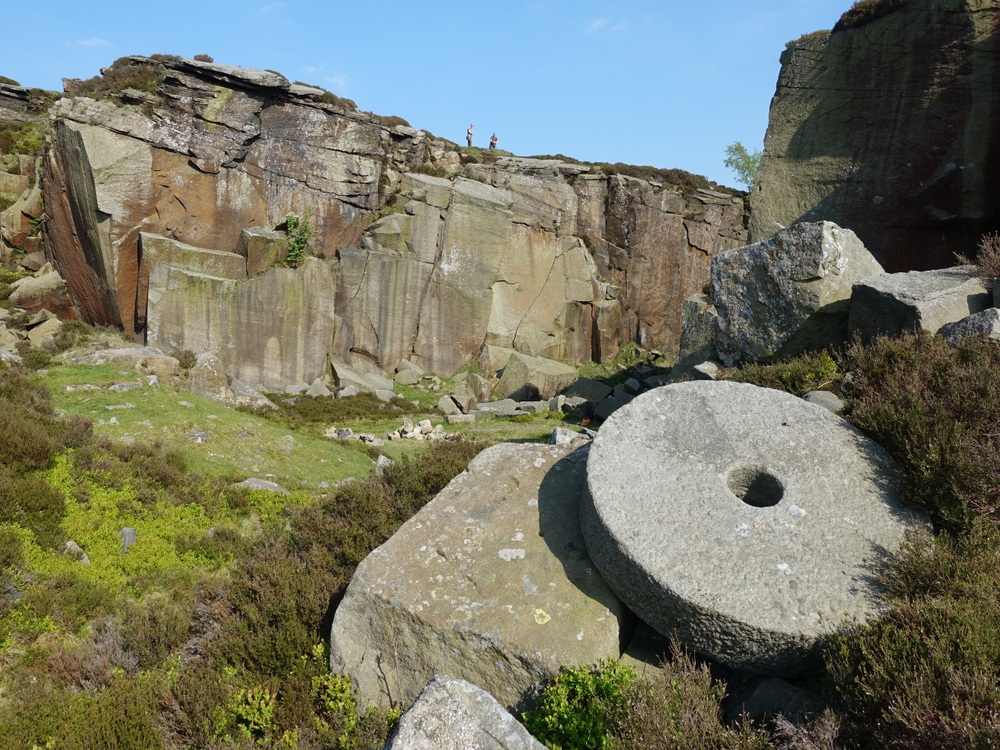
Collyweston Quarries boasts a rich industrial and geological tapestry. For centuries, dating back to Roman times, the site was heavily worked for its world-famous “Collyweston Slate”—a unique, fissile Jurassic limestone. Traditional quarrymen relied on a fascinating method: they dug the stone during the winter months and left it exposed to the elements, allowing natural frost action to split the limestone into thin, durable layers. This highly prized material was used to roof prestigious historic buildings all over the UK, including many Oxford colleges and nearby Stamford.
After quarrying ceased in the mid-20th century, the landscape underwent a stunning natural transformation. The old limestone workings—locally known as “The Deeps”—gradually developed into rare limestone grassland. Today, managed as a protected nature reserve by the Wildlife Trust, this Site of Special Scientific Interest (SSSI) flourishes with over a hundred species of wildflowers, including wild thyme and clustered bellflower, making it a sanctuary for a vibrant butterfly population.