What is the distance and directions from Barton Hall?
Distance: Approx. 20 miles | Travel Time: 35–40 minutes
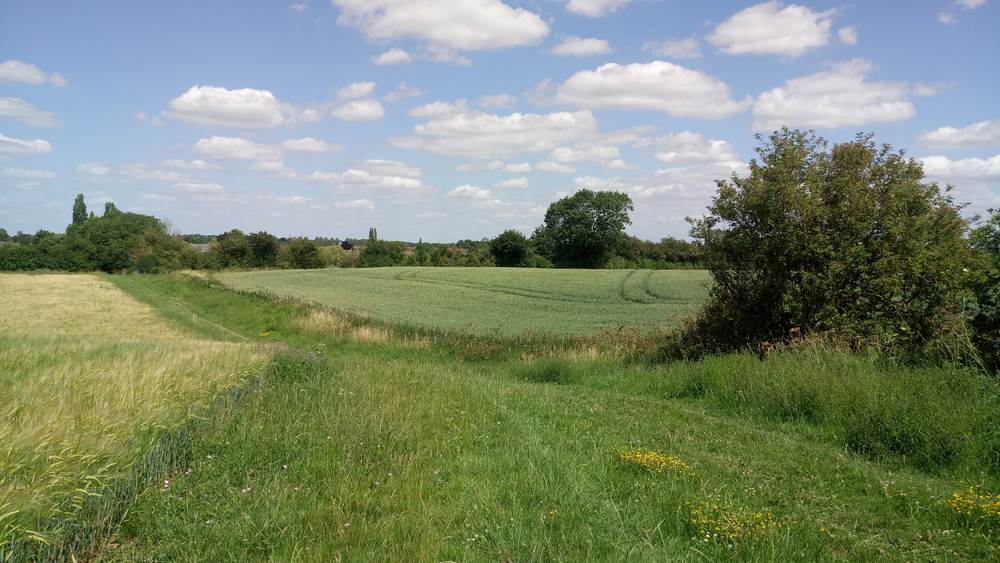
Glapthorn Cow Pastures is located in the beautiful rolling countryside of northeastern Northamptonshire, making it a perfect afternoon getaway or half-day trip.
Leave Barton Hall and head northeast on the A43, bypassing Corby.
Follow signs toward Oundle, and from the center of Oundle, head north on Glapthorn Road.
Drive through the village of Glapthorn, keep left, and take the minor road heading west toward Benefield. After about 1 mile, the reserve entrance will be on your right.
Parking: Please park considerately on the broad grassy lane directly opposite the woodland entrance, ensuring plenty of space is left for local farm machinery to pass.
What can visitors do at Glapthorn Cow Pastures?
At Glapthorn Cow Pastures, visitors can immerse themselves in a range of outdoor activities that connect them to nature:
– Wildlife Watching: The pastures are a haven for wildlife, offering a chance to see various bird species, including the rare and protected black hairstreak butterfly.
– Nature Walks: Enjoy leisurely walks along the well-marked trails that wind through meadows and woodlands, each revealing the stunning flora and fauna of the area.
– Photography: With its diverse habitats, Glapthorn Cow Pastures provides ample opportunities for photography enthusiasts to capture beautiful scenes and wildlife in their natural setting.
Are there any notable points of interest and highlights at Glapthorn Cow Pastures?
Yes, the pastures are home to several intriguing features:
– Ancient Woodlands: These woodlands are rich in biodiversity, offering a glimpse into England’s remarkable natural history.
– Seasonal Displays: Depending on the time of year, visitors might catch sight of vibrant wildflowers or migratory birds passing through.
– Conservation Work: Observe ongoing conservation efforts aimed at preserving the delicate ecosystems within the pastures.
What other things to do are there nearby?
If you’re looking to extend your day out beyond Glapthorn Cow Pastures, the surrounding area offers several additional attractions:
– Lyveden New Bield: Explore this National Trust site featuring an unfinished Elizabethan lodge surrounded by enchanting gardens and orchards.
– Oundle: Visit the charming market town of Oundle, known for its historic architecture, boutique shops, and cosy cafes.
– Barnwell Country Park: A family-friendly park perfect for picnicking, fishing, and enjoying the scenic lakeside views.
What is the history of Glapthorn Cow Pastures?
Glapthorn Cow Pastures boasts a fascinating heritage deeply rooted in the ancient Royal Forest of Rockingham. Originally a medieval common land where forest villagers held historic rights to graze their cattle (a tradition known as agistment), the site was spared from modern agricultural clearing. Over the centuries, this unique mix of traditional grazing and hands-off management allowed a rare habitat of dense blackthorn scrub, ash, and maple woodland to flourish.
Recognised as a Site of Special Scientific Interest (SSSI) and managed today by the Wildlife Trust, the site is nationally famous among nature lovers. The thick, ancient blackthorn bushes make it one of the premier strongholds in Britain for the elusive Black Hairstreak butterfly, which can be spotted feeding here in early summer. The dense, protected scrub also provides a vital, undisturbed sanctuary for nesting nightingales, whose legendary, beautiful birdsong fills the reserve throughout the spring.