What is the distance and directions from Barton Hall?
Distance: Approx. 5.5 miles | Travel Time: 12–15 minutes
Great Oakley Meadow is a hidden-gem nature reserve located on the southern outskirts of Corby, making it a quick and convenient escape into nature from Barton Hall.
Exit Barton Hall and head north on the A43 toward Corby.
At the massive holiday-inn roundabout, take the exit onto the A6003 (Uppingham Road).
Turn right at the next roundabout onto Oakley Road, then follow local roads south into Great Oakley toward the street named Headway.
Parking & Access: There is no visitor car park. Guests can park considerately along the roadside on Headway (near the junction with Frith Close), where the marked pedestrian entrance to the meadow is located.
What can visitors do at Great Oakley Meadow?
Visitors to Great Oakley Meadow can enjoy a variety of activities tailored to appreciating the natural environment. The meadow is perfect for leisurely walks, birdwatching, and photography. With its distinct flora and fauna, wildlife enthusiasts can spot a myriad of species, including butterflies, birds, and wildflowers native to the area. The trails are well-marked and suitable for all ages, ensuring an enjoyable experience for families and solo adventurers alike.
Are there any notable points of interest and highlights at Great Oakley Meadow?
Great Oakley Meadow boasts several points of interest that should not be missed. One of the standout features is the diversity of plant life, which supports a rich and varied wildlife habitat. Seasonal blooms create a tapestry of colours, offering an ever-changing landscape throughout the year. Additionally, the meadow offers a serene pond ecosystem, attracting various amphibians and a chorus of chirping frogs in the warmer months.
A key highlight includes the meadow’s viewing platform, which provides a breathtaking vista across the expanse of the reserve. Birdwatchers can take advantage of several hides situated around this area to observe species in their natural habitat without disruption.
What other things to do are there nearby?
Aside from the wonders of Great Oakley Meadow, the surrounding area provides plenty of additional attractions. A short drive south will lead you to Rockingham Castle, where history buffs can explore the majestic structure, lush gardens, and enjoy panoramic views of the countryside. If you’re looking to quench your thirst or savour a meal, the nearby market town of Kettering offers a delightful array of pubs, eateries, and boutique shops.
For those interested in more outdoor activities, Fermyn Woods Country Park offers splendid trails and picnic spots, perfect for a leisurely afternoon. Visitors might also enjoy a trip to the Rushton Triangular Lodge, noted for its unique architectural design and historical significance.
What is the history of Great Oakley Meadow?
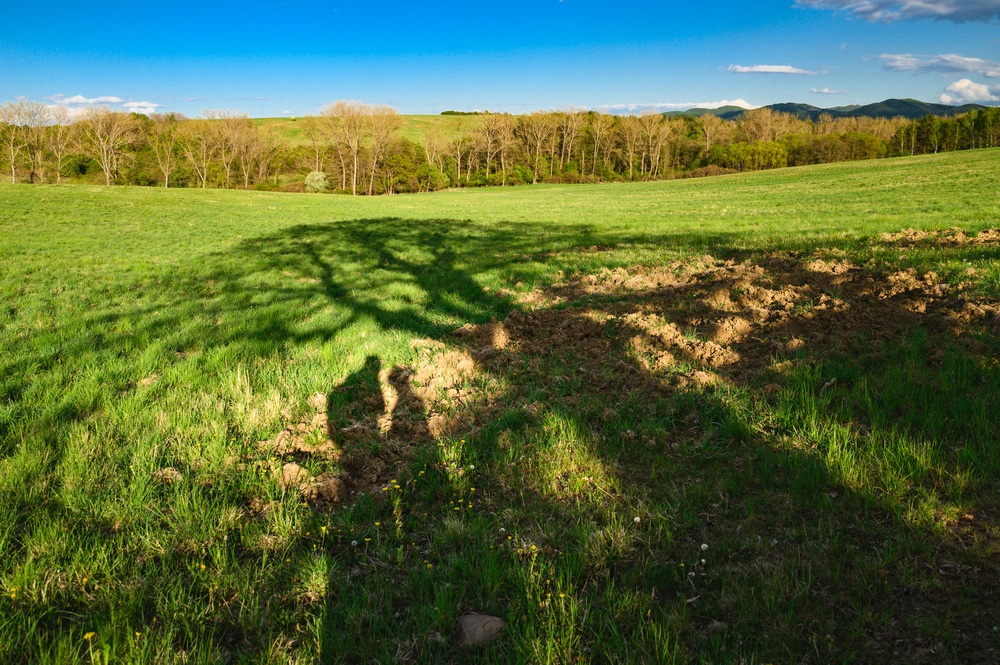
Great Oakley Meadow offers a captivating look at England’s medieval past. Rather than just a standard plot of farmland, this precious 4-acre site is celebrated because it has escaped modern ploughing, perfectly preserving a remarkably clear medieval ridge-and-furrow field system.
The prominent undulating waves in the ground were created centuries ago by oxen teams pulling heavy wooden ploughs. Because the landscape has remained undisturbed ever since, this ancient topography has created a unique micro-ecosystem. The dry tops of the medieval ridges display a colourful summer mosaic of cowslips, common knapweed, and quaking-grass, while the damp, low furrows nearer Harpers Brook support wetland plants like cuckooflower. Today, managed proudly by the Wildlife Trust, this small Local Nature Reserve stands as a living monument to how ancient human history continues to protect modern biodiversity.