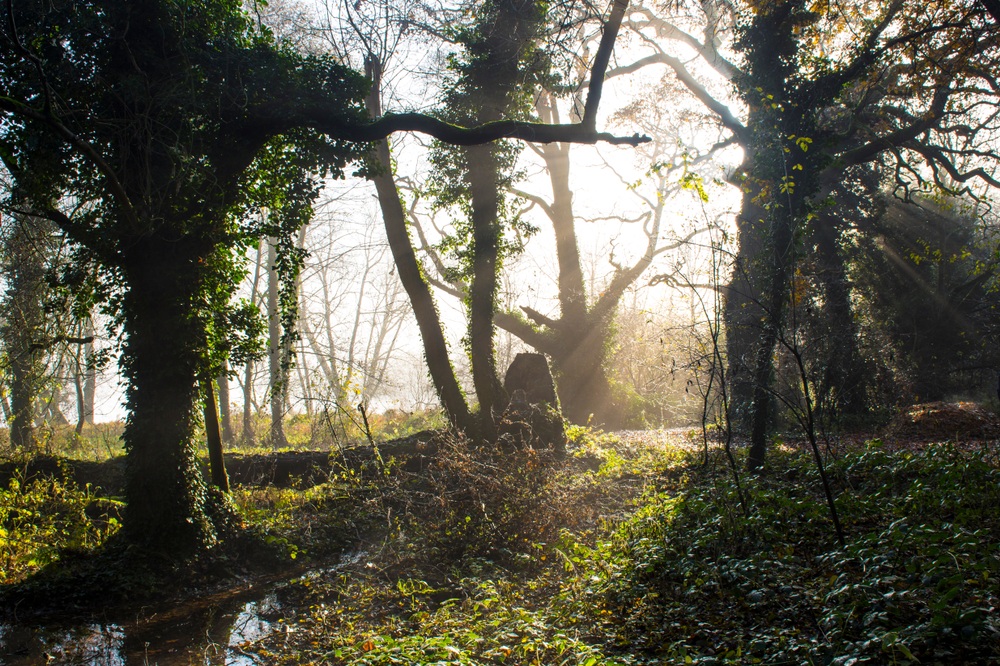
Nature Reserves and Wildlife Trust Sites
- Lings Nature Reserve
Are you staying at Barton Hall and in search of a perfect day trip into nature? Lings Nature Reserve offers an idyllic escape. Renowned for its lush landscapes and diverse wildlife, this nature reserve is a slice of tranquillity not too far from where you’re staying. Dive into this blog to uncover all that Lings has to offer.
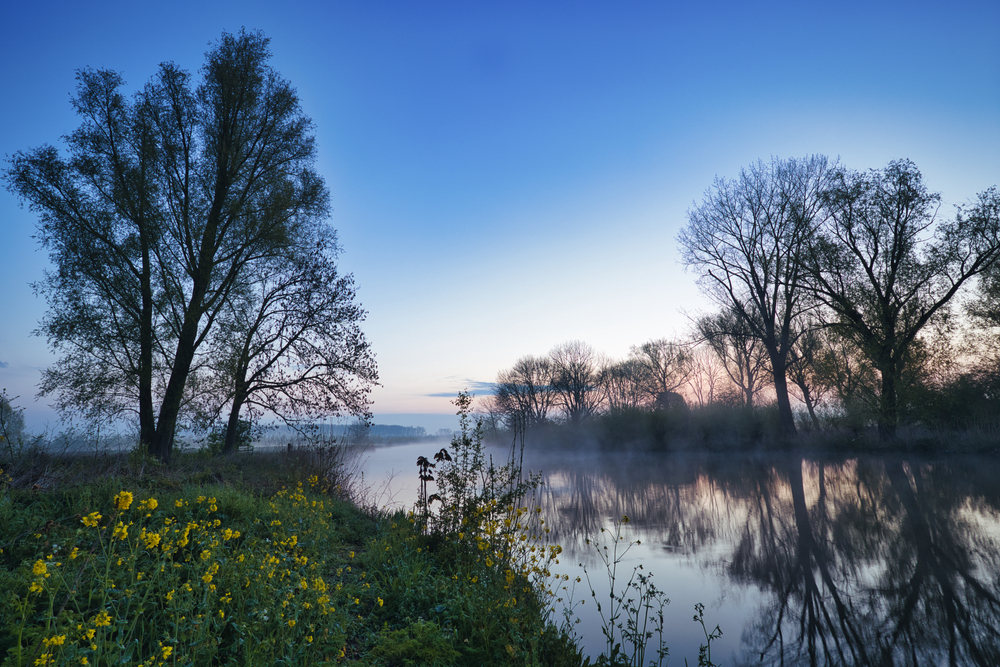
Lings Nature Reserve Wildlife Exploration Close to Barton Hall
What is the distance and directions from Barton Hall?
Distance: Approx. 13 miles | Travel Time: 20–25 minutes
Lings Nature Reserve (often called Lings Wood) is a tranquil, 50-acre wildlife haven tucked into the eastern edge of Northampton. It is also home to the county headquarters for the Wildlife Trust.
Leave Barton Hall and head southwest on the A43 toward Northampton.
Follow the A43 dual carriageway straight for about 10 miles, bypassing the villages of Moulton and Round Spinney.
At the major intersection, merge onto Lumbertubs Way (A5076) south.
Turn left onto Lings Way, and look for the dedicated Lings Wood Car Park entrance on your left (postcode NN3 8BE).
What can visitors do at Lings Nature Reserve?
Lings Nature Reserve offers a host of activities for nature enthusiasts and families alike. Whether you are a keen birdwatcher, a hiker, or someone seeking a peaceful environment, there’s something for everyone:
– Walking Trails: Explore the well-marked trails that meander through the woodland and grassland habitats. These trails cater to walkers of all abilities.
– Wildlife Observation: The reserve is a haven for birds, offering ample opportunities for birdwatching. Be on the lookout for species such as woodpeckers, nuthatches, and various warblers.
– Seasonal Events: Participate in guided walks and educational activities led by local wildlife trust volunteers. Check the reserve’s event calendar for upcoming activities.
Are there any notable points of interest and highlights at Lings Nature Reserve?
Yes, the Lings Nature Reserve is brimming with fascinating features:
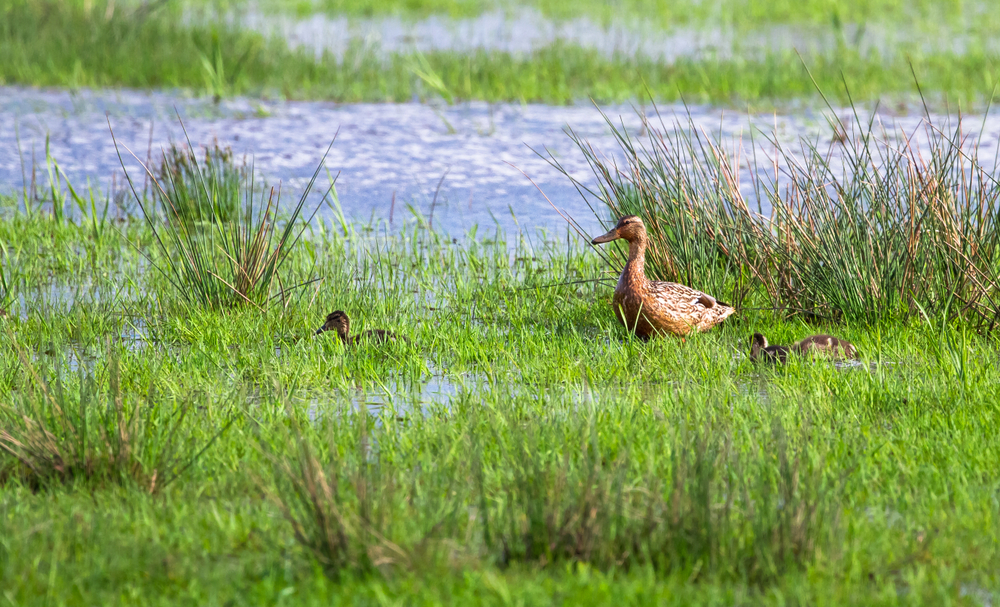
– Pond Area: The reserve includes a beautiful pond area that supports amphibian life and offers serene views. It’s a popular spot for photography.
– Woodland Paths: The diverse woodland trails reveal an array of flora, especially during the spring wildflower blooms.
– Observation Hides: Scattered throughout the reserve, these hides provide opportunities to observe wildlife undisturbed.
What other things to do are there nearby?
After exploring Lings, consider visiting other local attractions:
– Abington Park: Northampton’s oldest park is perfect for a leisurely afternoon stroll, with lakes and charming gardens.
– Delapré Abbey: Discover the history and gardens of this beautiful English stately home, offering tours and exhibits.
– Billing Aquadrome: A family-friendly leisure park with a variety of water sports, fishing areas, and recreation grounds.
What is the history of Lings Nature Reserve?
Lings Nature Reserve offers a fascinating look at how ancient wilderness can be successfully protected within a modern urban environment. Unlike the surrounding open fields of Northamptonshire, this pocket of land was never cleared for agriculture. Historically, it formed part of the sweeping, medieval Overstone Park estate, managed for centuries as ancient semi-natural woodland, wild gorse heathland, and a traditional game covert.
Because the land sat on a unique bed of acidic sandstone, it developed a distinct ecosystem of oak, birch, and sweet chestnut trees that couldn’t be found anywhere else in the immediate area. In the 1960s and 70s, as Northampton rapidly expanded eastward to build new residential districts, local conservationists fought passionately to save this ancient landscape from being paved over.
In recognition of its critical ecological value, the land was handed over to the Wildlife Trust, which established its regional Northamptonshire headquarters right on the reserve boundary at Lings House. Today, a network of all-weather footpaths allows visitors to wander through centuries-old woodland structures, walk past historic logging ponds, and enjoy a vibrant spring carpet of bluebells and wood anemones.
Explore Other Attractions
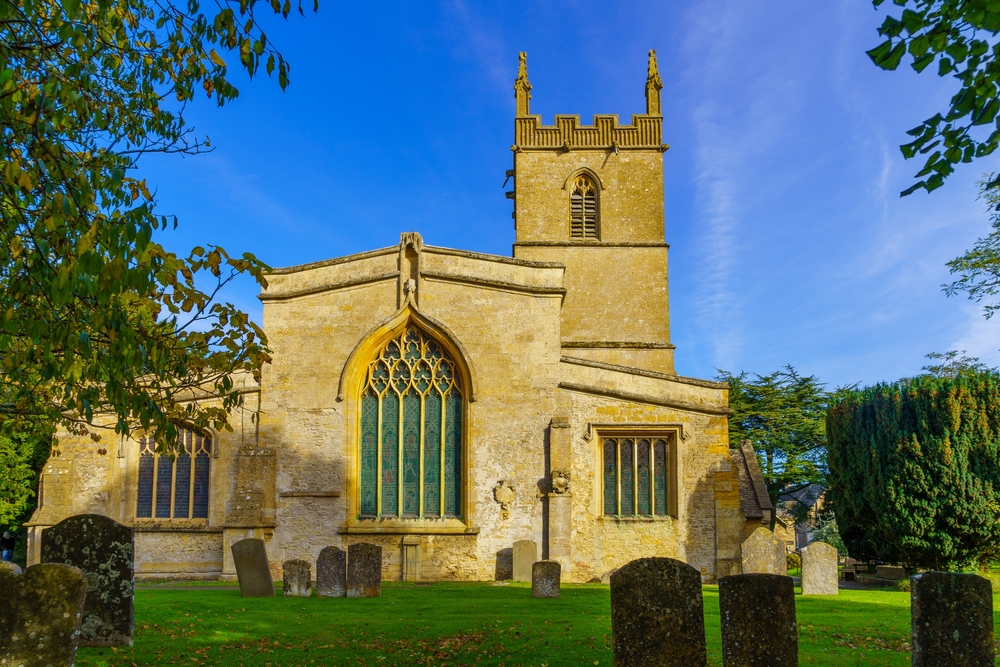
Historic Churches and Abbeys – St. Edmund’s Church
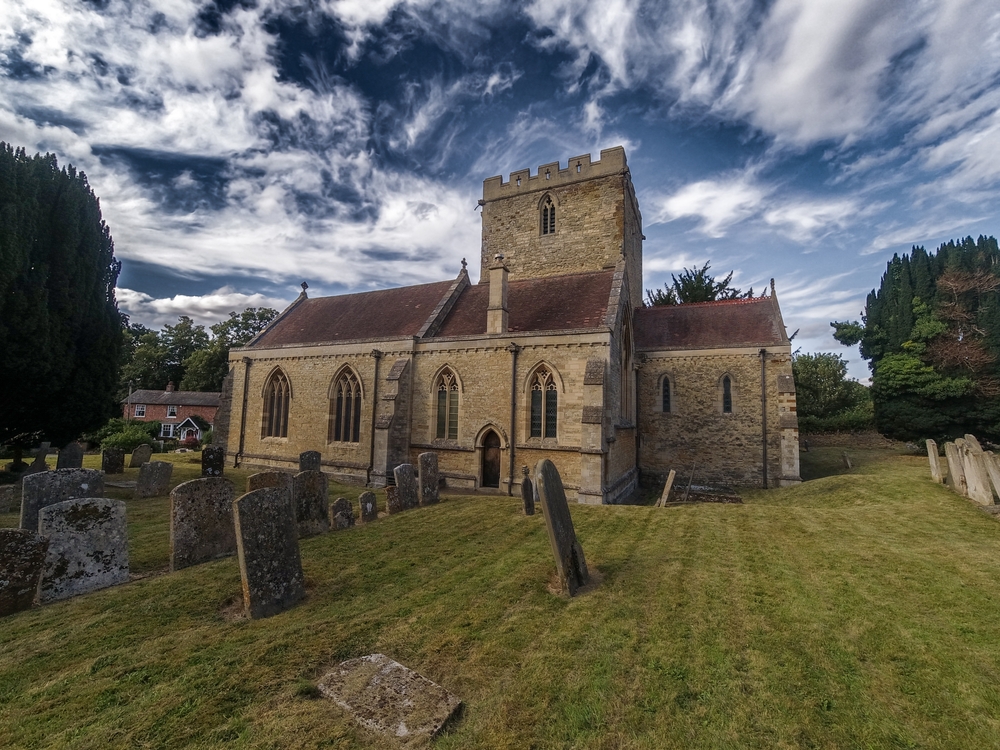
Historic Churches and Abbeys – St. Botolph’s Church
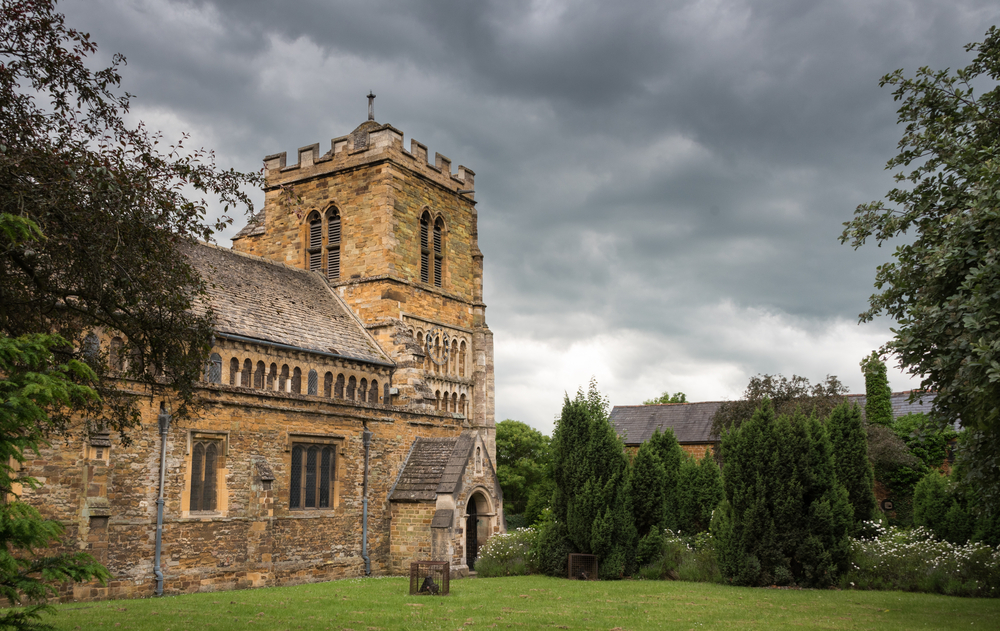
Historic Churches and Abbeys – St Peter’s Church, Northampton
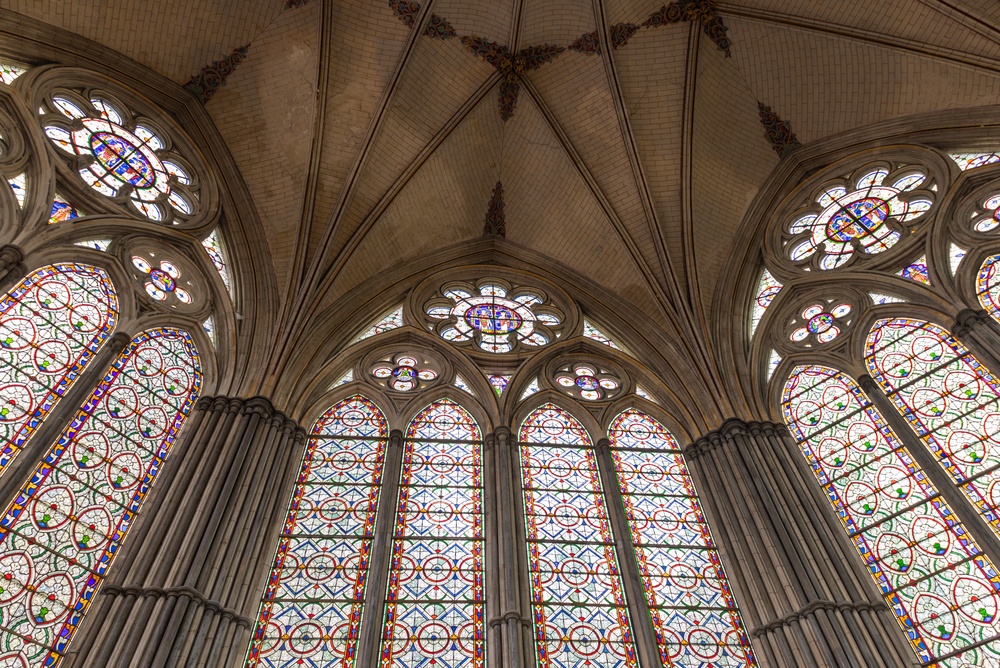
Historic Churches and Abbeys – St Mary’s Church, Higham Ferrers
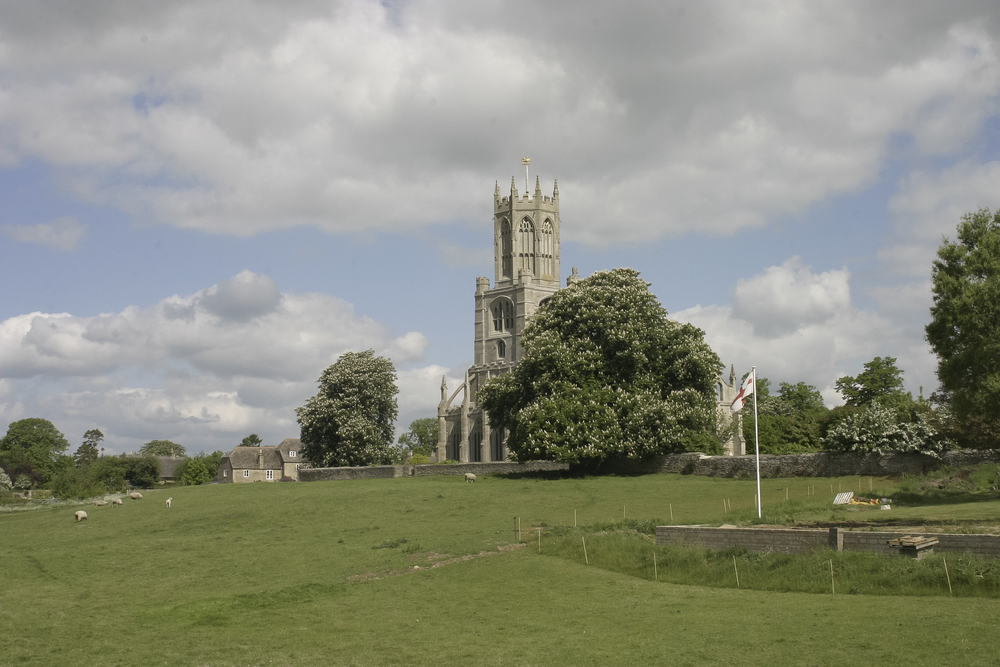
Historic Churches and Abbeys – St Mary’s and All Saints Church, Fotheringhay
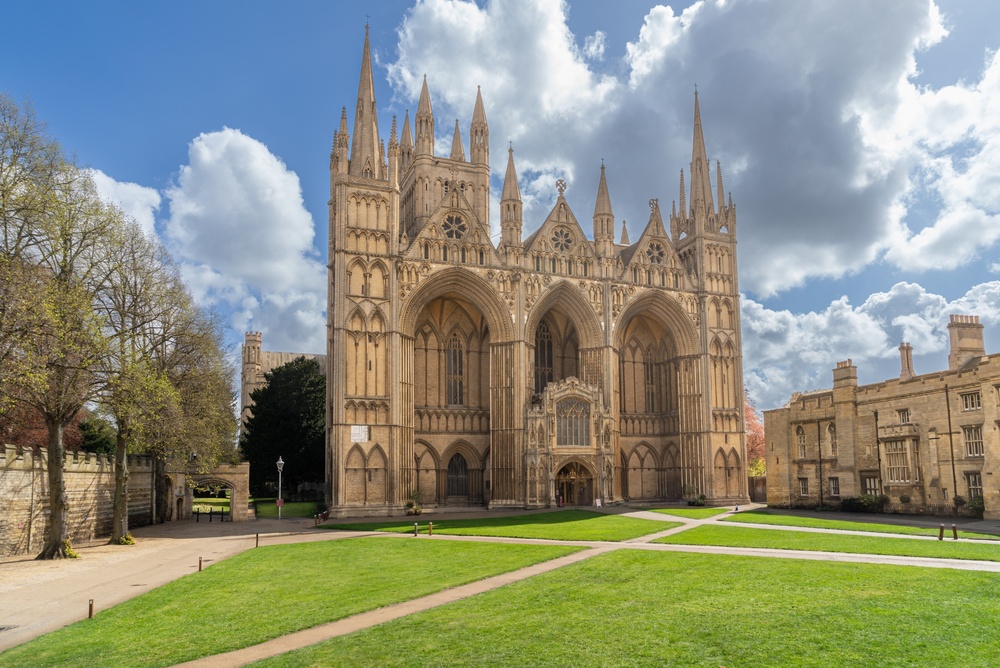
Historic Churches and Abbeys – Peterborough Cathedral
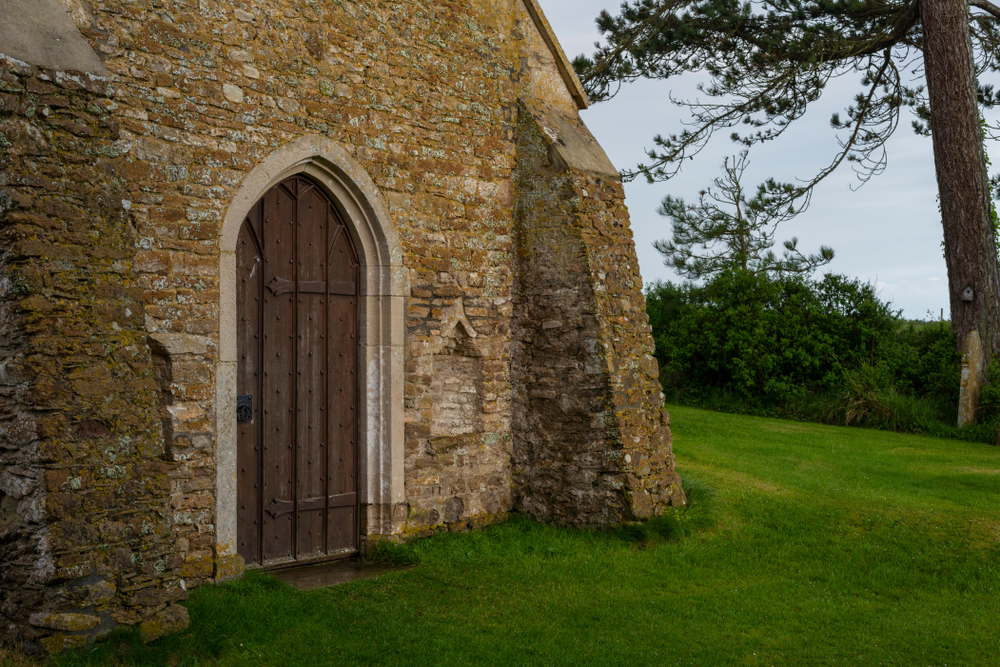
Historic Churches and Abbeys – Holy Trinity Parish Church
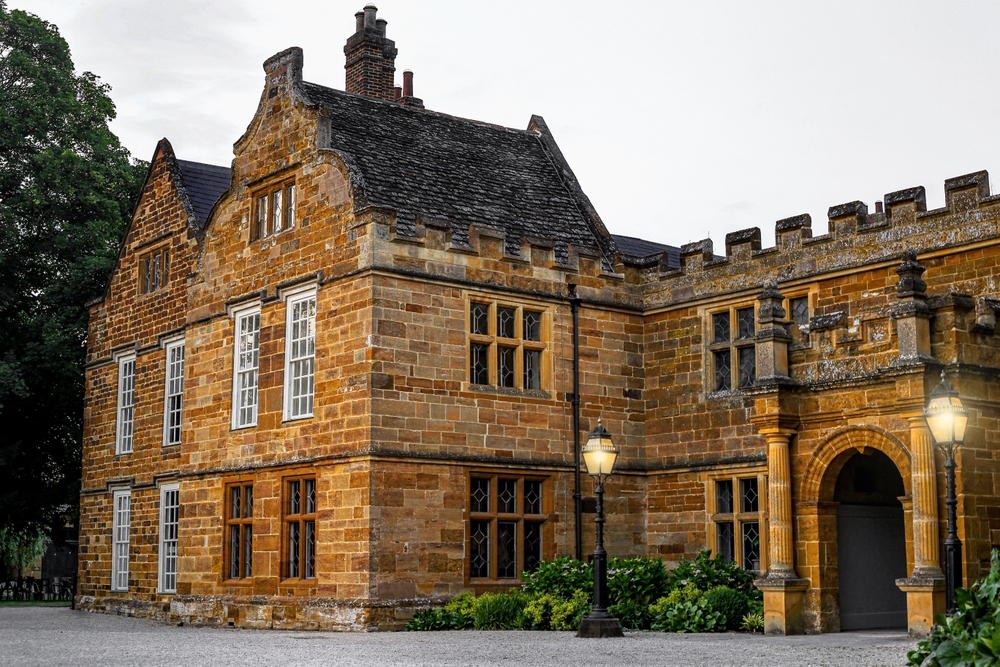
Historic Churches and Abbeys – Delapre Abbey
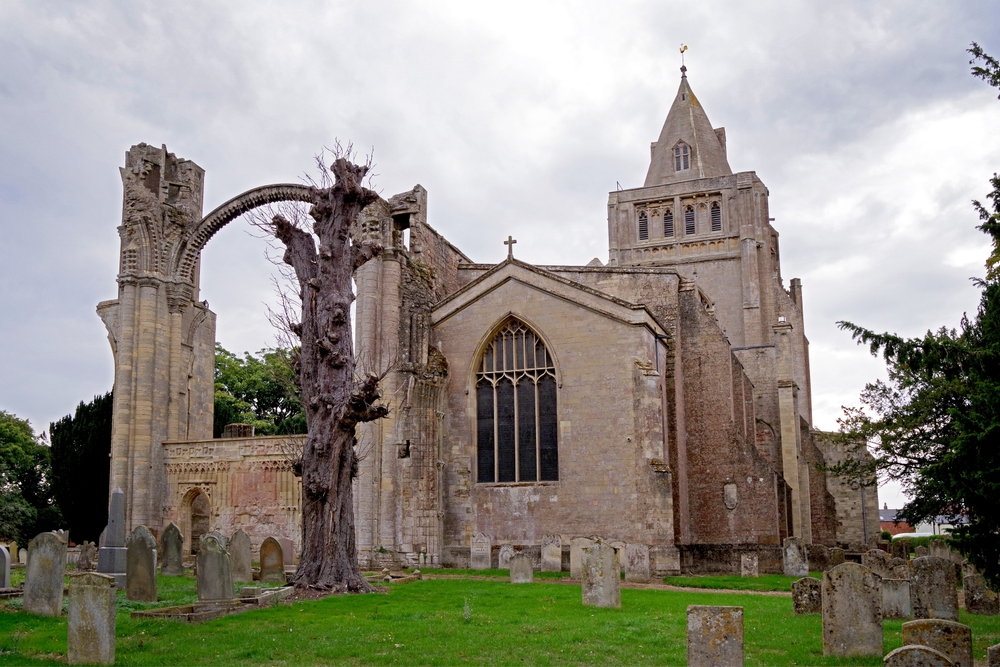
Historic Churches and Abbeys – Crowland Abbey
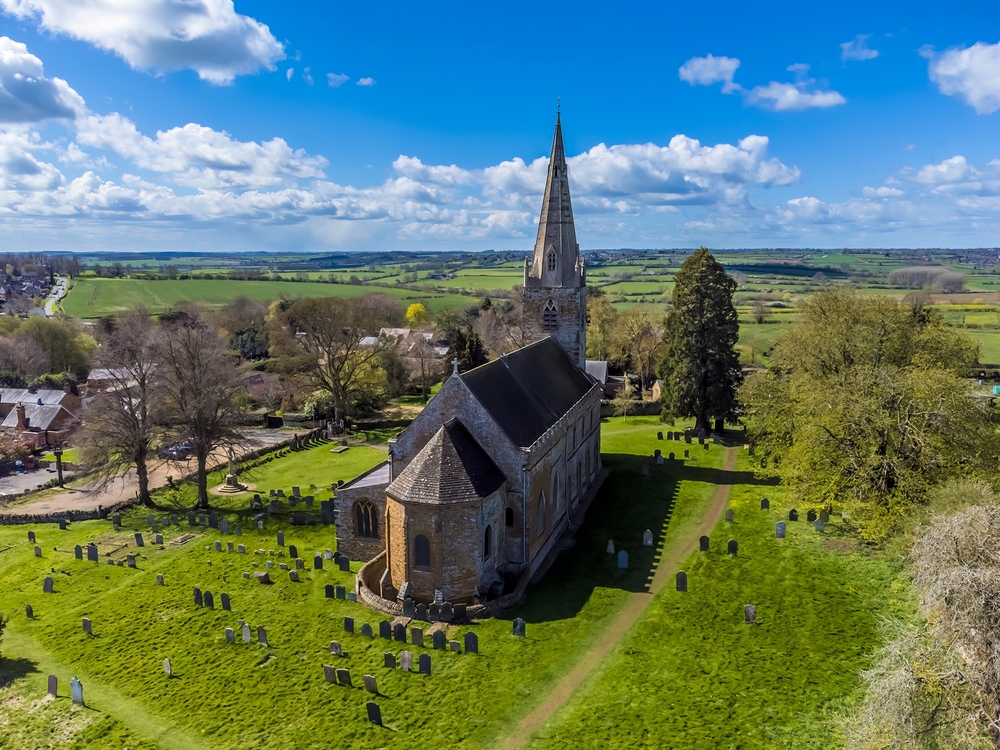
Historic Churches and Abbeys – All Saints’ Church, Brixworth
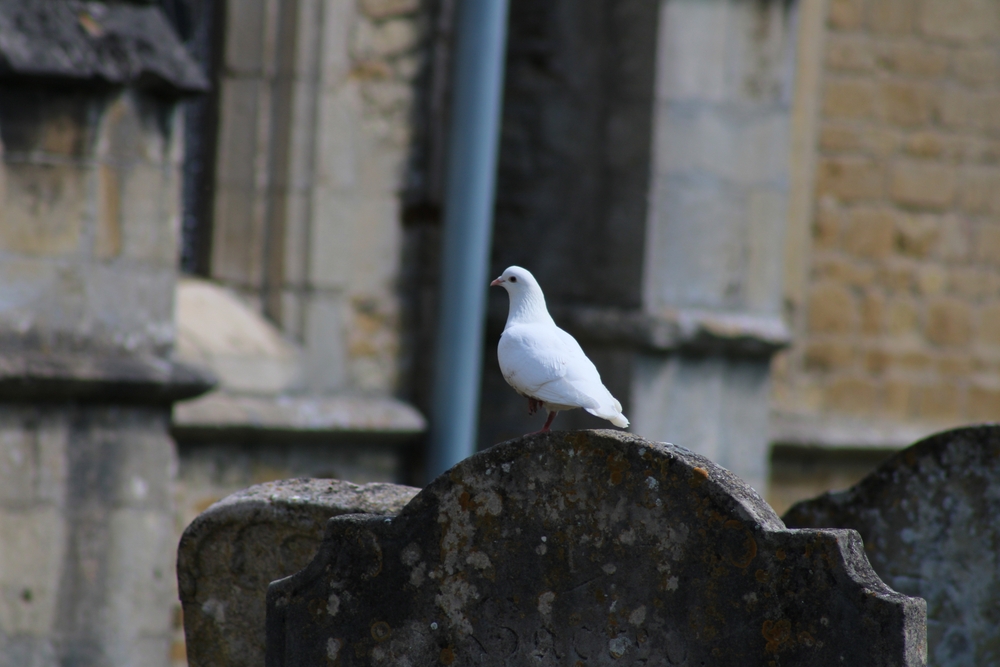
Historic Churches and Abbeys – Church of St. Mary Magdalene
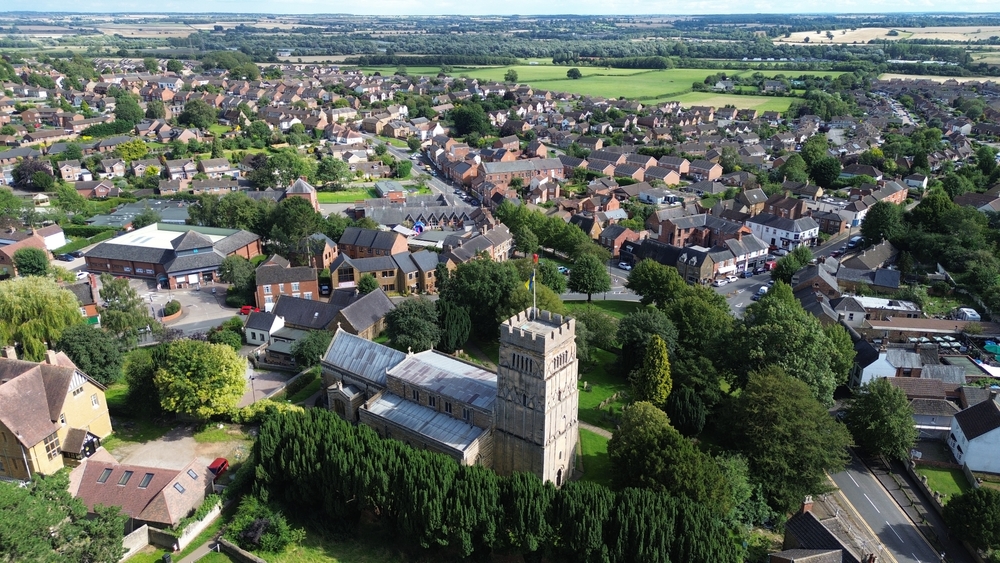
Historic Churches and Abbeys – All Saints Church, Earls Barton
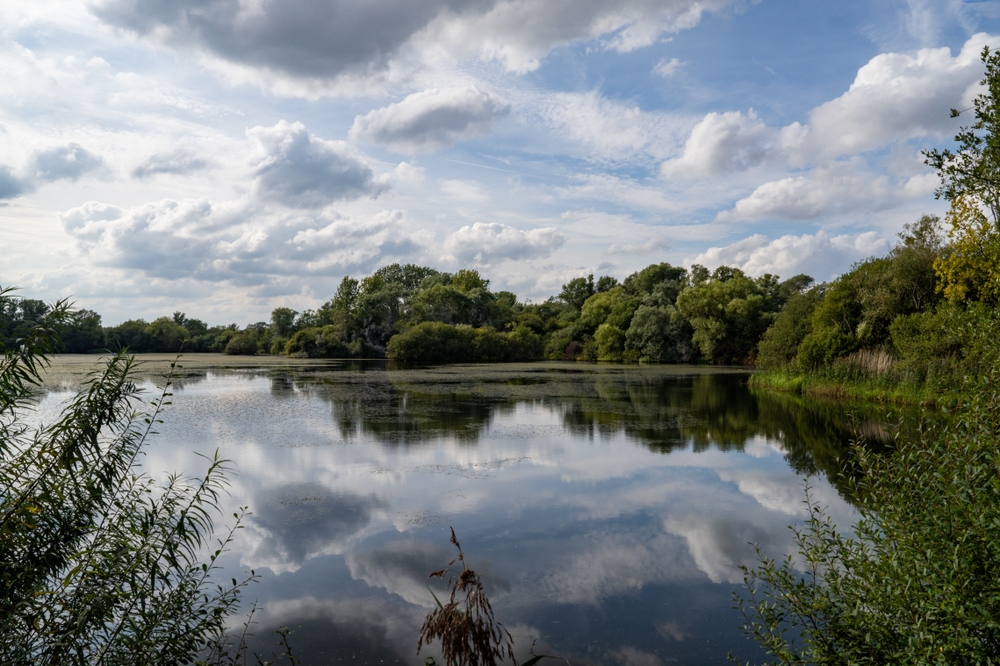
Nature Reserves and Wildlife Trust Sites – Storton’s Pits and Duston Mill Meadow
Nature Reserves and Wildlife Trust Sites – Short Wood and Southwick Wood
Nature Reserves and Wildlife Trust Sites – Pitsford Water Nature Reserve
Nature Reserves and Wildlife Trust Sites – Old Sulehay Nature Reserve
Nature Reserves and Wildlife Trust Sites – Nene Wetlands
Nature Reserves and Wildlife Trust Sites – Lings Nature Reserve
Nature Reserves and Wildlife Trust Sites – Kingsthorpe Meadow