What is the distance and directions from Barton Hall?
Distance: Approx. 5 miles | Travel Time: 12–15 minutes
King’s Wood is a magnificent, ancient wildlife sanctuary located on the southern edge of Corby, making it a quick and convenient escape into nature from Barton Hall.
Exit Barton Hall and head north on the A43 toward Corby.
At the large Holiday Inn roundabout, take the exit onto the A6003 (Uppingham Road).
At the next roundabout, turn right onto Oakley Road, then turn left onto Danesholme Road.
Access & Parking: The reserve is nestled within a residential boundary. Guests can park considerately along Gainsborough Road or near the junction with Danesholme Road, where the primary marked pedestrian gateways into the woodland are located.
What can visitors do at King’s Wood?
King’s Wood offers a myriad of activities suitable for all ages, ensuring a memorable experience with nature at its core.
– Walking and Hiking: Explore a network of trails that meander through ancient woodlands, offering varied difficulty levels from easy strolls to more challenging hikes.
– Wildlife Watching: With a diverse range of flora and fauna, King’s Wood is a haven for birdwatchers and nature enthusiasts. Don’t forget your binoculars to spot native species in their natural habitat.
– Photography: Capture the beauty of the wood’s diverse landscapes, from towering trees to vibrant undergrowth and, if you’re lucky, a glimpse of the local wildlife.
Are there any notable points of interest and highlights at King’s Wood?
King’s Wood is rich in both natural beauty and historical significance.
– Ancient Trees: The reserve is home to several ancient trees that predate the modern era, offering a majestic sight and a reminder of nature’s enduring legacy.
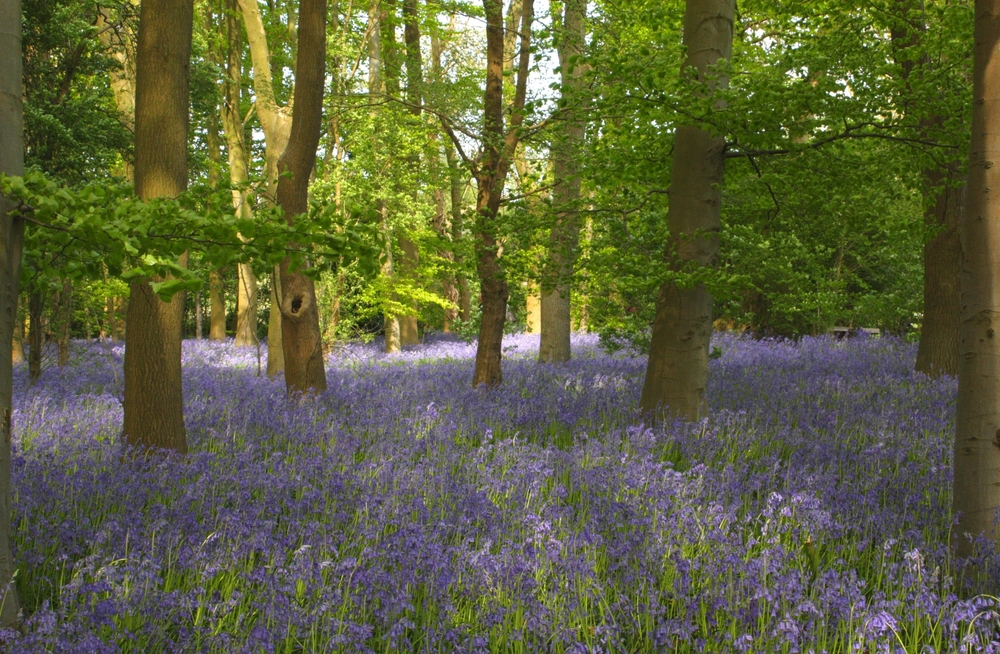
– Seasonal Blooms: Depending on the time of year, you might encounter stunning displays of bluebells, wild daffodils, or vibrant autumnal foliage.
– Historical Landmarks: Within the wood, you can find traces of historical landmarks that narrate the story of the area, including remnants from past settlements and ancient pathways.
What other things to do are there nearby?
For those looking to extend their adventure beyond King’s Wood, the surrounding area offers additional attractions:
– Barton Springs: Located nearby, this natural spring offers a refreshing spot for a picnic or a relaxing afternoon by the water.
– Historic Market Town: The nearby market town, with its charming shops and cafes, offers a perfect blend of history and modernity, ideal for a leisurely day of exploration.
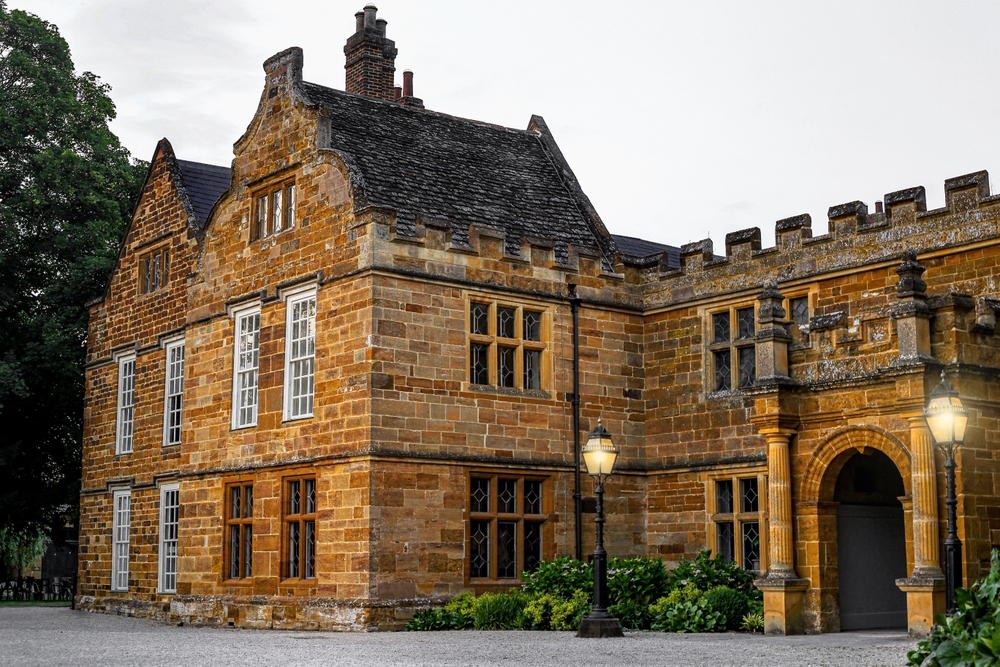
– Barton Hall Gardens: Don’t miss the opportunity to explore the exquisite gardens of Barton Hall, where carefully curated flora offers a peaceful retreat.
What is the history of King’s Wood?
King’s Wood is steeped in centuries of royal history. It stands today as a precious, living fragment of the ancient Royal Forest of Rockingham, a vast medieval hunting forest that once dominated north-east Northamptonshire. Rather than being left wild, this 78-acre wood was historically managed for centuries as a “Crown Coppice.” Local workers systematically cut back trees to ground level to provide a sustainable supply of wood and fuel for the monarchy, while the dense regrowth provided vital shelter for the King’s deer.
As the town of Corby expanded rapidly during the 20th century, local conservation efforts successfully protected this ancient pocket of trees from urban development. In recognition of its incredible value, it was proudly designated as the very first Local Nature Reserve (LNR) in Northamptonshire. Today, managed by the Wildlife Trust, it remains a thriving oasis of biodiversity where visitors walking the ancient paths can enjoy a carpet of spring bluebells and spot green woodpeckers, treecreepers, and tawny owls nesting in the historic canopy.