Nature Reserves and Wildlife Trust Sites
- Pitsford Water Nature Reserve
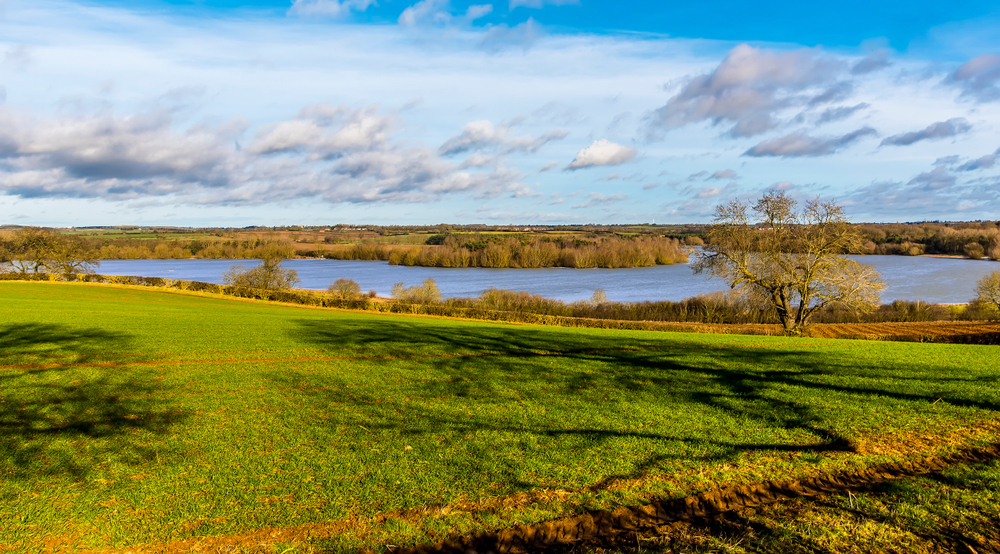
Welcome to our blog series, where we explore the stunning nature reserves and wildlife trust sites near Barton Hall. Today, we focus on the enchanting Pitsford Water Nature Reserve. Whether you’re a nature enthusiast, a bird watcher, or simply someone who enjoys the serenity of the great outdoors, Pitsford Water is a treasure trove of natural beauty and diverse wildlife.
Pitsford Water Nature Reserve Nature Exploration Near Barton Hall
Distance and Directions from Barton Hall
Distance: Approx. 14 miles | Travel Time: 22–25 minutes
Pitsford Water is a stunning 750-acre reservoir and wildlife haven. The premier gateway for general visitors seeking walking trails, a café, and cycle hire is Brixworth Country Park (postcode NN6 9DG), located right on the western shore.
Exit Barton Hall and head west toward Kettering to join the A14 westbound.
Exit the A14 at Junction 7 and take the A508 south toward Northampton.
Follow the A508 south through the countryside for about 7 miles, passing Lamport and entering the outskirts of Brixworth.
Turn left at the brown tourist signs for Brixworth Country Park, which leads directly into the main pay-and-display visitor car park.
Note for Serious Birdwatchers: The official Pitsford Water Nature Reserve (the highly protected eastern bunker managed by the Wildlife Trust) is accessed via a separate, quiet gated entrance on the road between Brixworth and Scaldwell. Access to the bird hides there requires a Wildlife Trust permit or a small day fee.
Overview of Pitsford Water Nature Reserve
Pitsford Water Nature Reserve is a sprawling haven encompassing over 750 acres of reservoir and surrounding habitats. Managed by the Wildlife Trust for Bedfordshire, Cambridgeshire, and Northamptonshire, the reserve serves as a critical habitat for a myriad of species. It boasts a picturesque reservoir, extensive woodlands, and wildflower-rich meadows that attract both wildlife and visitors throughout the year.
Notable Points of Interest and Highlights at Pitsford Water Nature Reserve
Visitors are greeted with a plethora of activities and points of interest:
– Bird Watching: The reserve is a haven for birdwatchers, with hides strategically placed around the water to observe a variety of species, including grebes, herons, and migratory birds.
– Nature Trails: The 7-mile circular trail around the reservoir offers a perfect opportunity for leisurely walks or more vigorous hikes while enjoying panoramic views of the water and surrounding landscape.
– Fishing and Water Sports: With permits, guests can engage in fishing or enjoy water-based activities such as sailing and kayaking on designated sections of the reservoir.
– Visitor Centre: Stop by to learn more about the local flora and fauna or participate in educational programs and workshops offered throughout the year.
Other Things to Do Nearby
Beyond the reserve, the surrounding area offers additional attractions:
– Brixworth Country Park: Adjacent to the reserve, this park provides picnic areas, a café, and an adventure playground for families.
– Cottesbrooke Hall & Gardens: Just a short drive away, explore this historic manor house and its beautifully landscaped gardens.
– Kelmarsh Hall and Gardens: Famous for its stunning gardens and historic architecture, it’s a delightful stop for an afternoon visit.
History of Pitsford Water Nature Reserve
Pitsford Water stands as a monumental triumph of mid-20th-century civil engineering. Following the Second World War, the rapid industrial expansion and population boom of Northampton meant local water demands completely outpaced supply. To prevent a catastrophic shortage, construction began in 1955 to dam the local feeds of the River Nene, flooding the valley to create a massive artificial reservoir. The project was officially completed in 1956.
While built strictly as a utility engine to pump millions of litres of drinking water daily, conservationists quickly recognised the incredible ecological potential of the new shoreline. In 1970, a historic partnership between the water authority and the Wildlife Trust formally split the reservoir into distinct zones.
The southern expanse was designated for public recreation, while the entire northern arm was designated a strict wildlife sanctuary. Because of this careful zoning, the site was declared a Site of Special Scientific Interest (SSSI). Today, it serves as one of the most critical refuelling stops in England for over 100 species of migratory birds, providing a pristine winter feeding ground for rare wildfowl like goosander, wigeon, and great crested grebes.
Explore Other Attractions

Heritage Railways – Northampton & Lamport Railway
Heritage Railways – Nene Valley Railway

Heritage Railways – Leighton Buzzard Railway
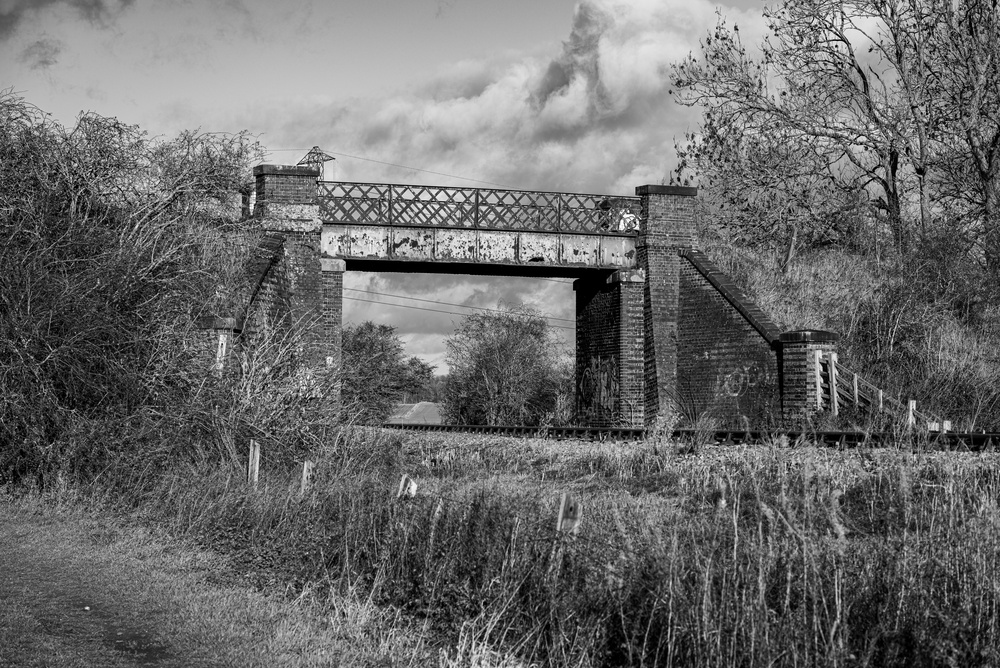
Heritage Railways – Great Central Railway (Nottingham)
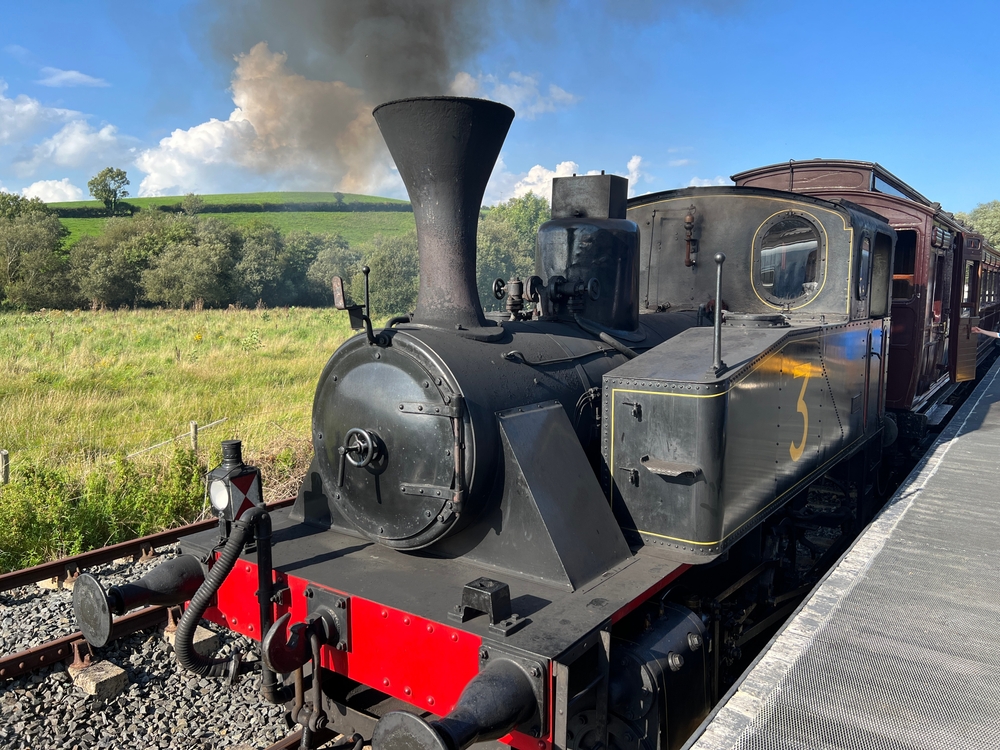
Heritage Railways – Chasewater Railway

Heritage Railways – Buckinghamshire Railway Centre
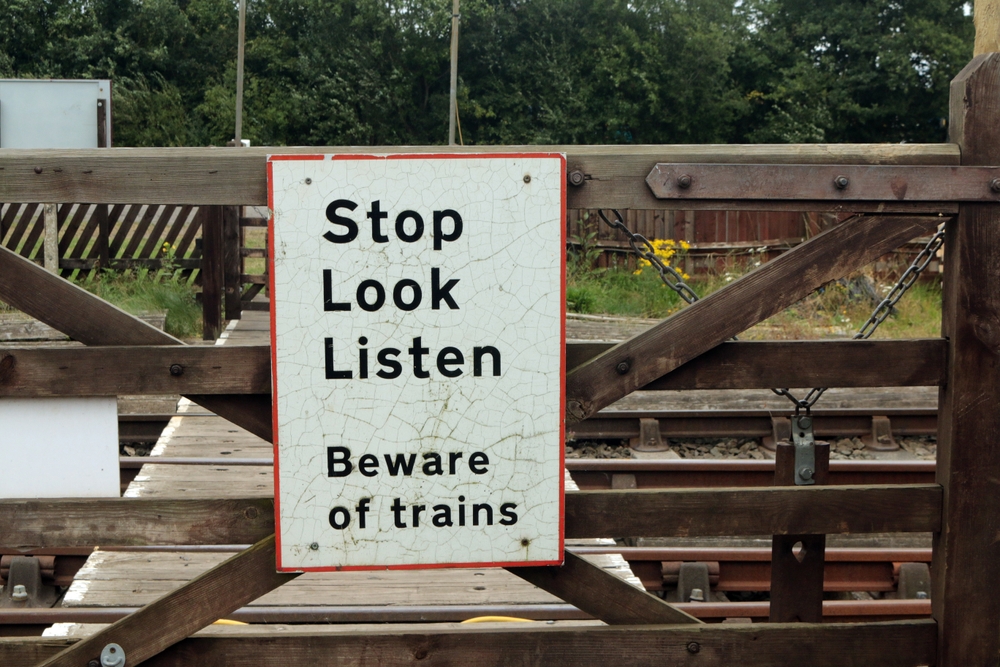
Heritage Railways – Battlefield Line

Historic Churches and Abbeys – The Holy Sepulchre, Northampton
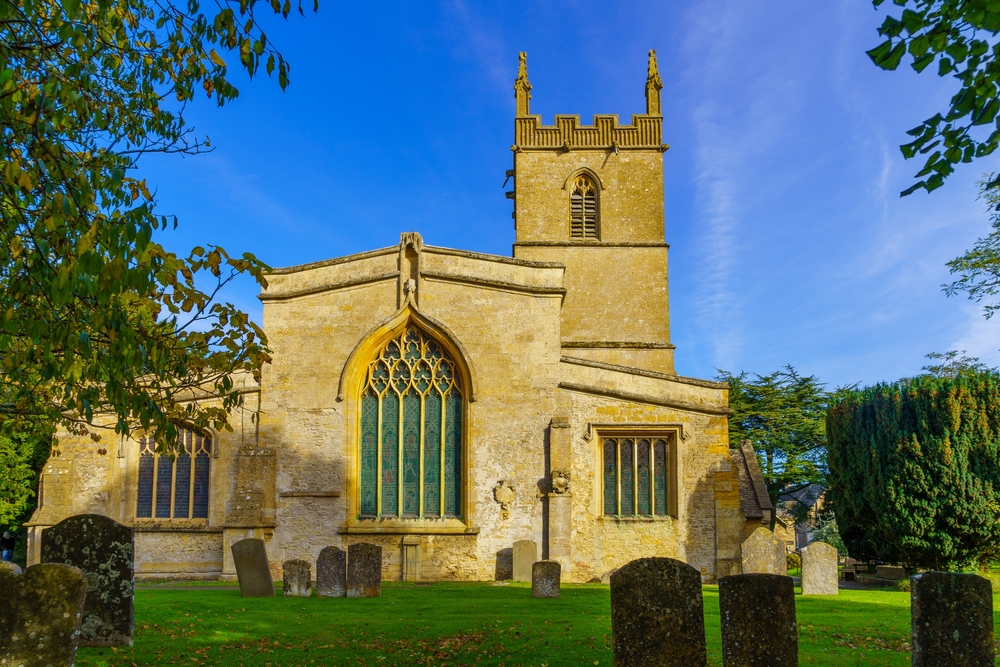
Historic Churches and Abbeys – St. Edmund’s Church
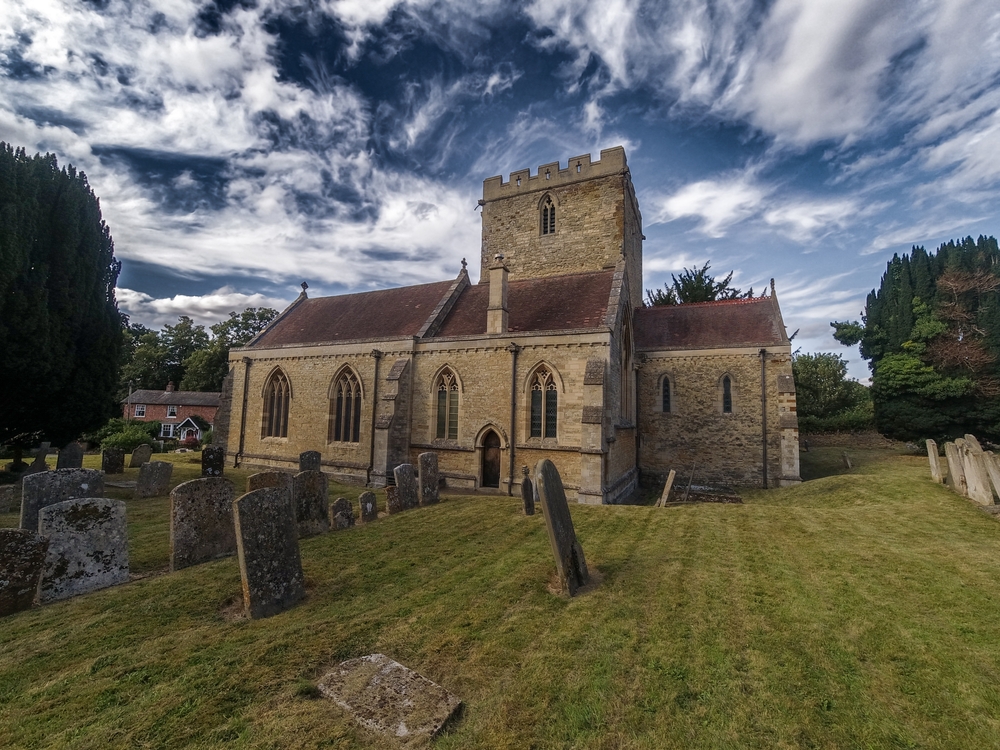
Historic Churches and Abbeys – St. Botolph’s Church
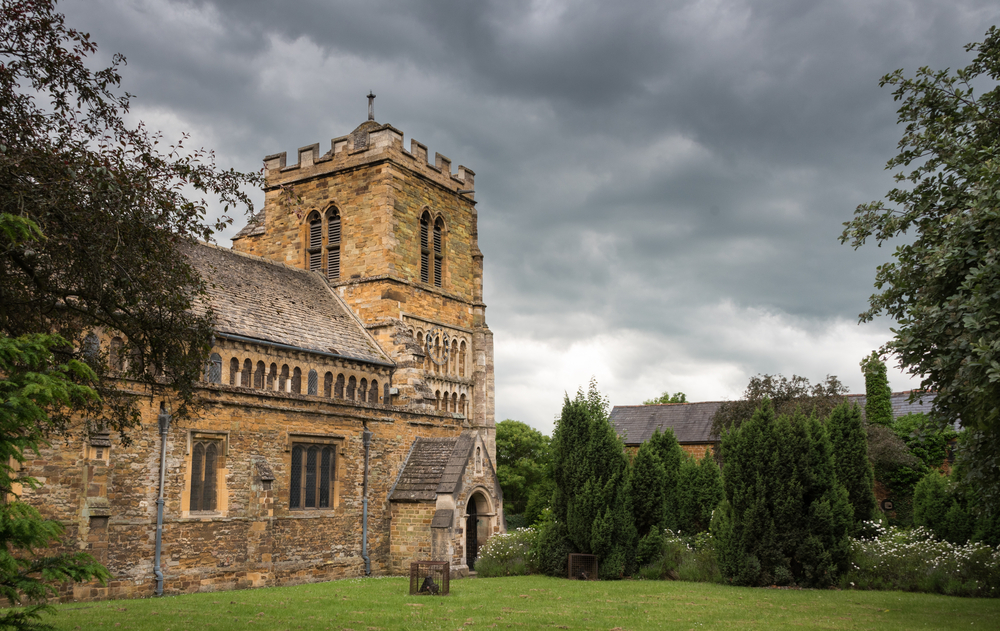
Historic Churches and Abbeys – St Peter’s Church, Northampton
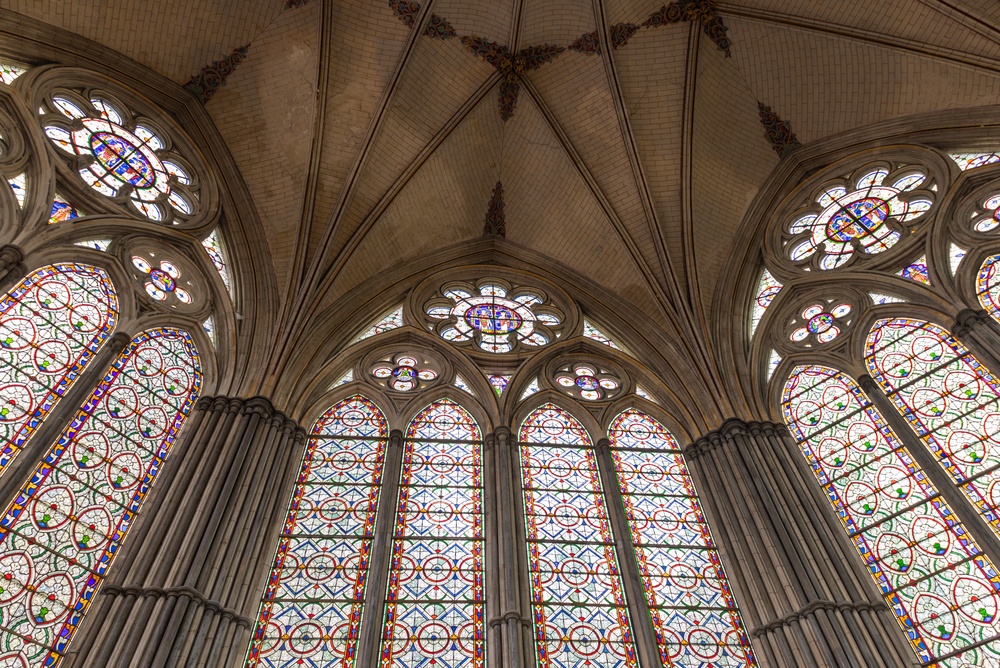
Historic Churches and Abbeys – St Mary’s Church, Higham Ferrers
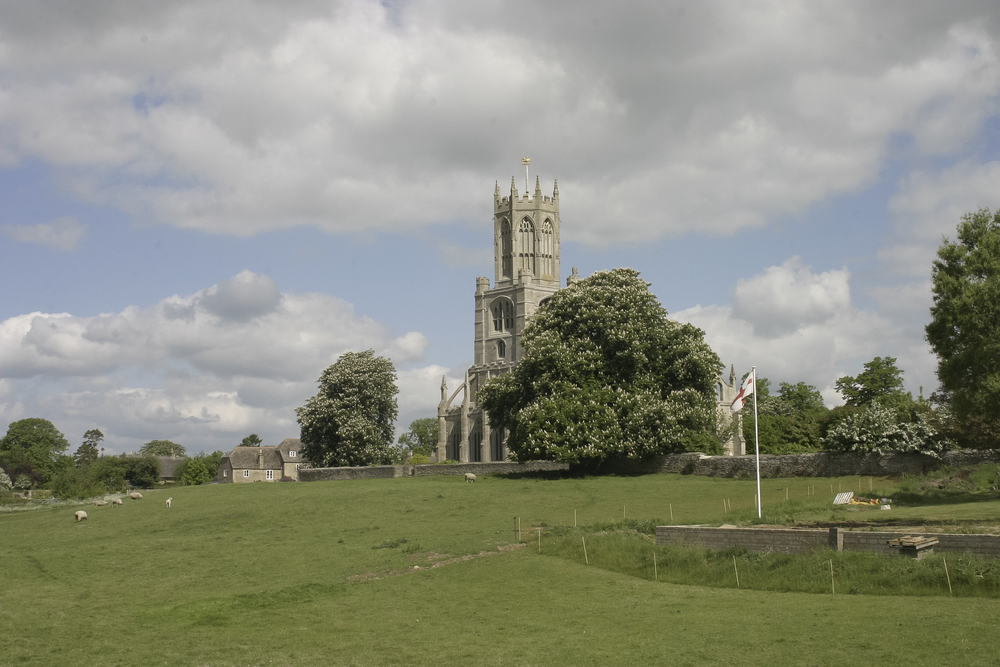
Historic Churches and Abbeys – St Mary’s and All Saints Church, Fotheringhay
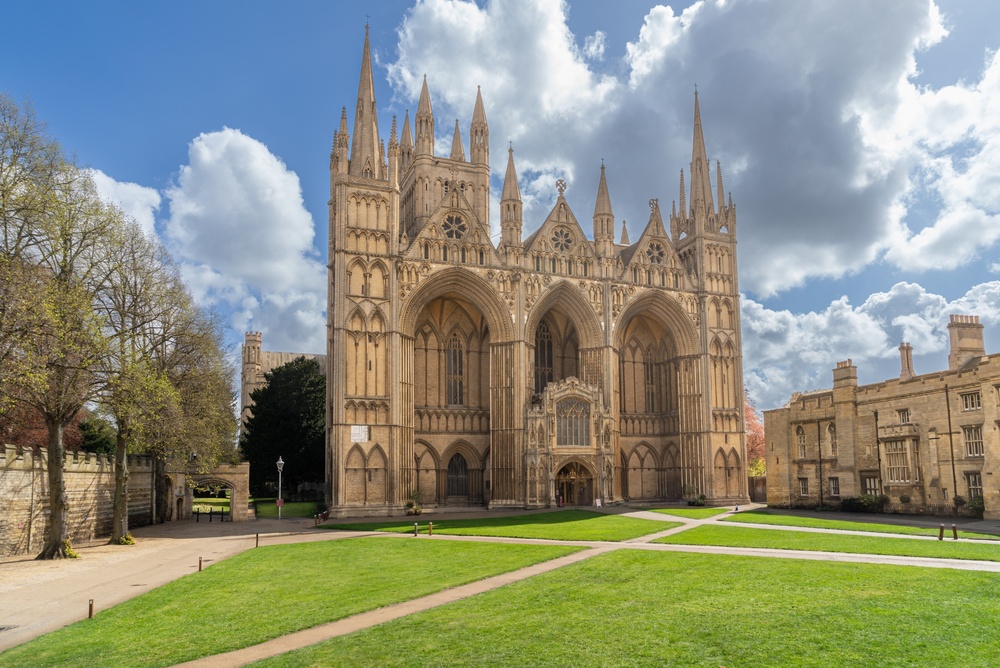
Historic Churches and Abbeys – Peterborough Cathedral
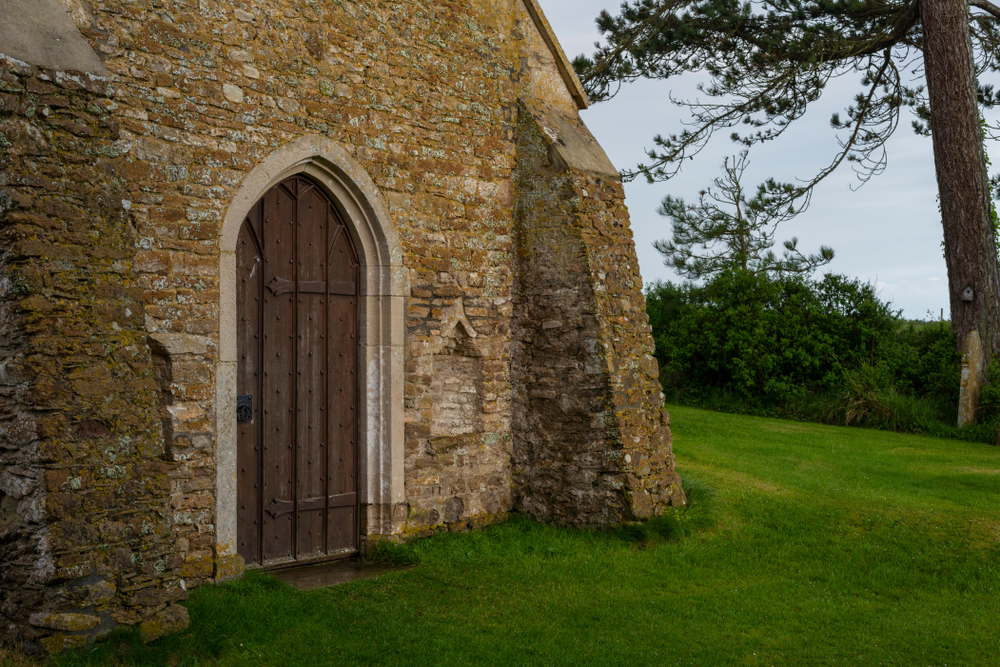
Historic Churches and Abbeys – Holy Trinity Parish Church
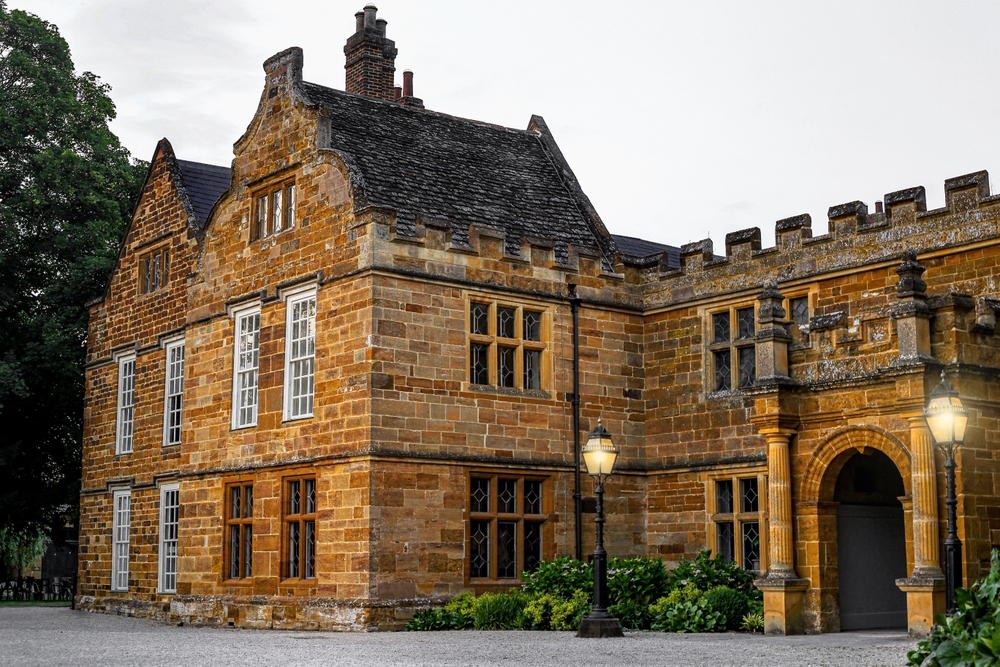
Historic Churches and Abbeys – Delapre Abbey
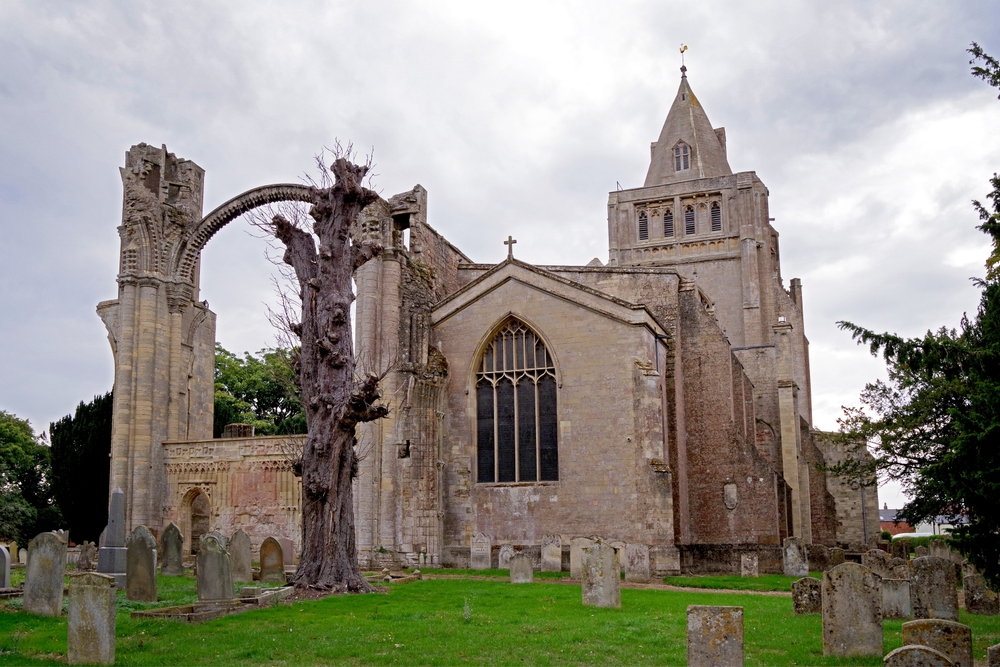
Historic Churches and Abbeys – Crowland Abbey
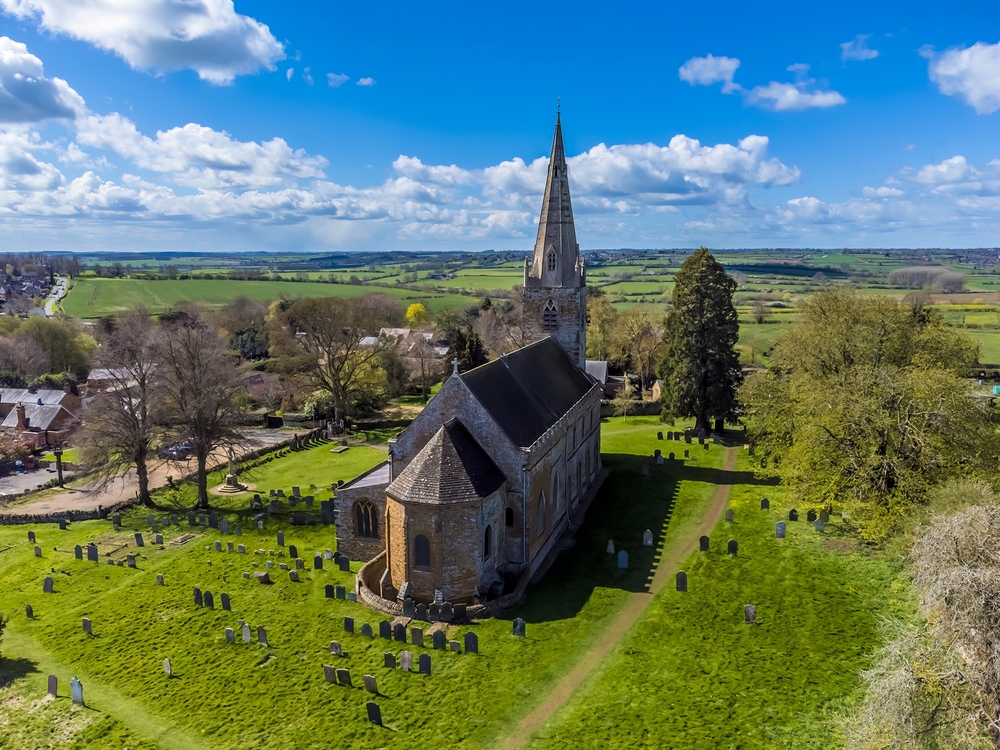
Historic Churches and Abbeys – All Saints’ Church, Brixworth
Historic Churches and Abbeys – Church of St. Mary Magdalene